
 10 Jul 2026
 9 min read
Getting flange fit right is one of the most overlooked parts of pumping, yet it affects almost everything: how comfortable each session feels, how efficiently milk is removed, and how well your supply responds over time. A breast pump flange size guide is not just a sizing chart — it is a practical framework for understanding what is happening inside the tunnel during a pump session and how to adjust it so pumping actually works for your body. This article walks through how to measure, what to look for, what commonly goes wrong, and when it is time to resize.
What breast pump flange size guide means in practice
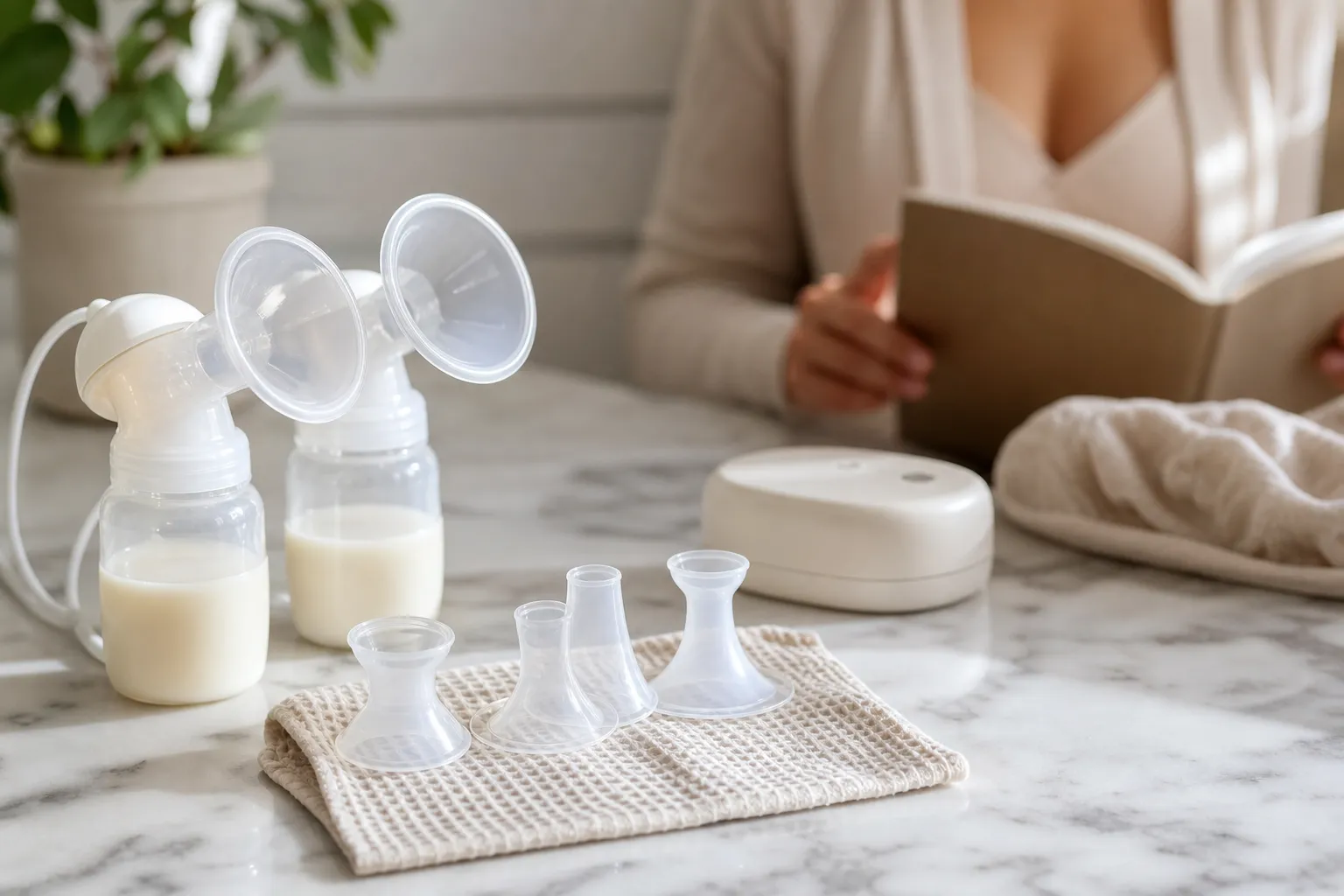
The flange is the funnel-shaped cup that fits against your breast and draws your nipple into the tunnel during pumping. Flange size refers specifically to the diameter of that tunnel opening — the part your nipple moves into — and it is measured in millimeters. Most pumps come with one or two default sizes, but those sizes are not designed to fit everyone. They are a starting point.
A breast pump flange size guide helps you figure out which tunnel diameter allows your nipple to move freely without pulling in too much surrounding areola tissue. When the fit is right, the nipple moves in and out of the tunnel rhythmically, milk flows, and there is no pinching, rubbing, or blanching. When the fit is off, you feel it — and your output often reflects it.
Understanding breast pump flange fit matters because nipple size varies significantly from person to person, and it can also change across the postpartum period as swelling decreases and tissue shifts. A size that felt fine at two weeks postpartum may not be the right size at two months. Treating flange sizing as a one-time decision rather than an ongoing check is one of the most common reasons pumping parents struggle without knowing why.
If you want a quick starting point before reading further, the flange sizing guide on the Olivia site walks through the measurement process with a visual reference.
How to think about breast pump flange size guide
Flange sizing is not about finding the biggest or smallest option — it is about finding the one that matches your nipple diameter with a small amount of clearance. The goal is a fit that allows movement without friction and without excess tissue being pulled in. Getting to that fit requires understanding a few core concepts and knowing which signals to pay attention to.
The core problem to understand
The most fundamental issue with flange fit is that most people size based on bra size or breast size, neither of which is relevant. Flange size is determined by nipple diameter alone — specifically the diameter of the nipple shaft at its base, not the areola and not the tip.
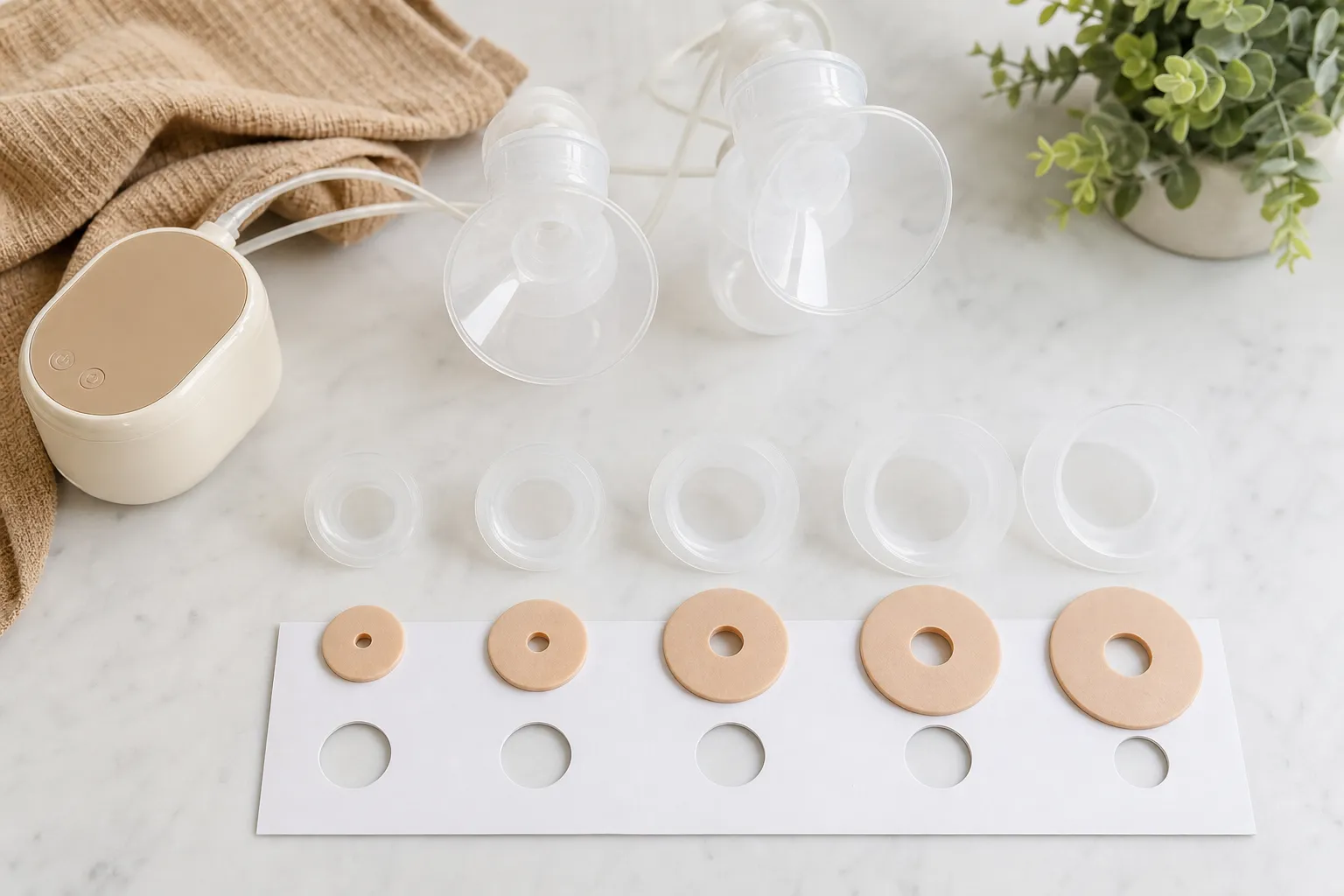
To measure, use a soft measuring tape or a printed nipple ruler. Measure across the widest point of your nipple at the base, in millimeters. That number is your nipple diameter. Your flange size should be approximately 2 to 4 millimeters larger than that measurement. This small gap allows the nipple to move freely during the pumping cycle without the tunnel walls pressing against the shaft.
The reason this matters so much is that the pumping motion works by creating a vacuum that draws the nipple in and releases it repeatedly. If the tunnel is too narrow, the nipple rubs against the walls, causing friction, soreness, and sometimes reduced milk flow because the tissue cannot move properly. If the tunnel is too wide, too much areola tissue gets pulled in, which can cause swelling, bruising, and reduced output because the suction is not being applied where it needs to be.
Elastic nipples add another layer of complexity. Some nipples stretch significantly under suction, meaning a nipple that measures 16mm at rest may effectively behave like an 18mm or 20mm nipple during pumping. If you measure and use the standard formula but still experience discomfort or poor output, elasticity may be a factor. In those cases, some parents find that sizing down slightly — rather than up — creates a better functional fit, because the tunnel provides more support and reduces the amount of stretch. This is worth exploring with a lactation consultant if standard sizing is not resolving the issue.
The practical decision criteria
Once you have your measurement, the next step is evaluating fit in real time during a pump session. Numbers give you a starting point, but what you observe during pumping tells you whether the fit is actually working.
Signs of a good breast pump flange fit include: the nipple moves in and out of the tunnel without touching the sides, there is little to no areola tissue being pulled in, the skin color stays normal throughout the session, and there is no pain, pinching, or soreness during or after pumping. Milk should flow steadily, and the session should feel manageable — not something you dread.
Signs the flange is too small: the nipple rubs against the tunnel walls, you feel pinching or friction, the nipple tip may appear white or blanched after pumping, and sessions are consistently painful. Output may be lower than expected because restricted movement limits milk removal.
Signs the flange is too large: you can see areola tissue being pulled into the tunnel, the skin around the nipple looks swollen or red after sessions, and output may be lower because the suction is dispersed across too much tissue rather than focused on the nipple and ducts.
For parents using a wearable breast pump, flange fit is especially important because the pump sits against the body inside a bra, meaning there is no way to visually check what is happening mid-session. Getting the fit right before you start moving around with a wearable pump prevents discomfort from building unnoticed over a full session.
Common mistakes to avoid
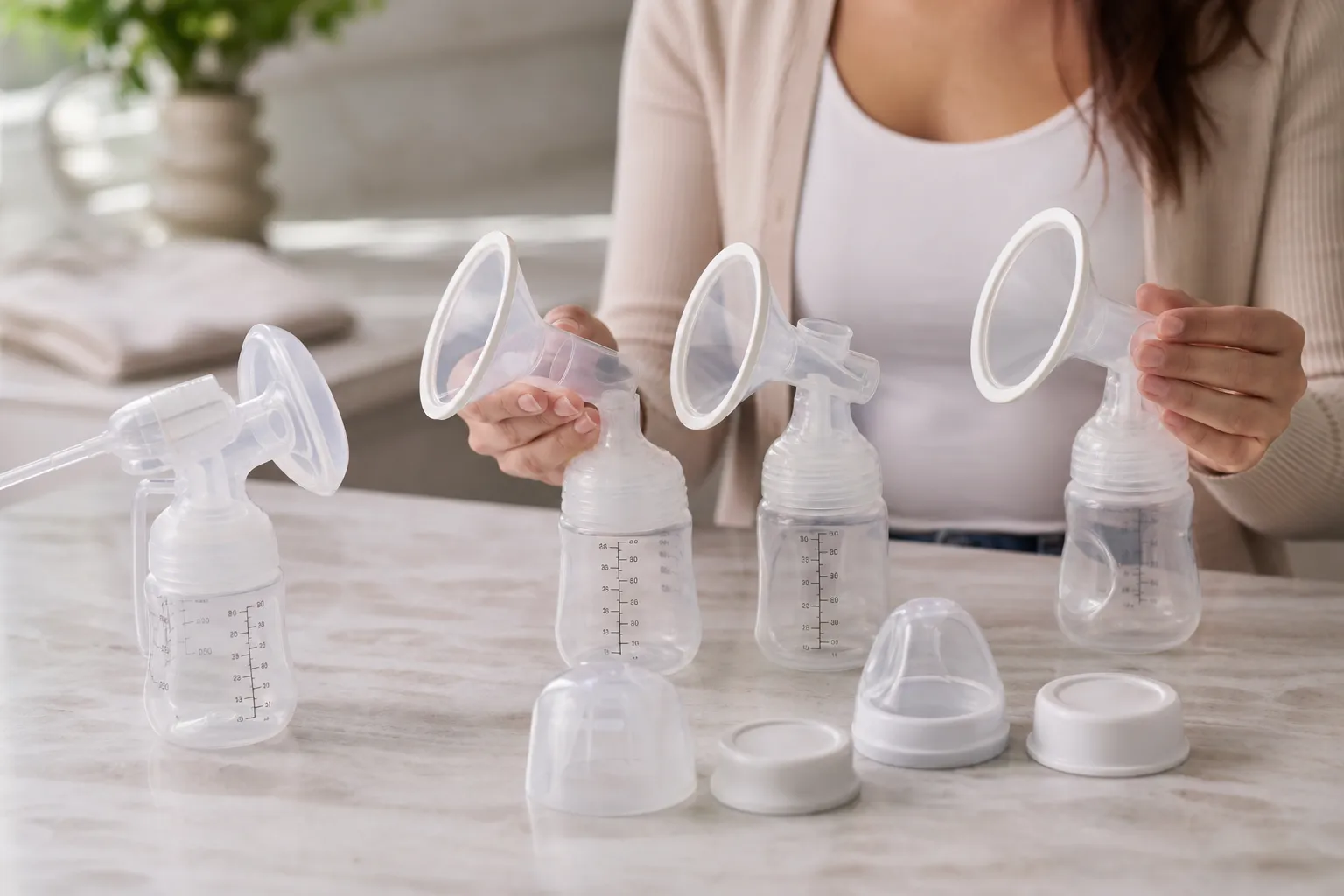
The most common mistake in any breast pump flanges size guide situation is defaulting to whatever size came in the box. Standard included flanges are typically 24mm or 25mm, which fits a portion of the population but not everyone. Many people — particularly those with smaller nipple diameters — are using flanges that are too large without realizing it.
A second common mistake is measuring once and never revisiting. Nipple size can change in the early weeks postpartum as swelling from birth and initial engorgement resolves. A flange that fit well at one week may be too large by week four. If your output drops or discomfort increases without an obvious cause, re-measuring is a reasonable first step.
A third mistake is ignoring asymmetry. It is entirely normal for nipples to differ in size between breasts. Using the same flange size on both sides when there is a meaningful size difference means at least one side is not optimally fitted. Many pumps allow for different flange sizes on each side, and using that flexibility is worth considering.
Finally, some parents assume that more suction will compensate for a poor fit. It will not. Increasing suction on an ill-fitting flange typically increases discomfort and can cause tissue damage. Fit should always be addressed before adjusting suction levels.
How to apply this to breast pump flange size guide
Putting this into practice is more straightforward than it might seem. Start by measuring your nipple diameter in millimeters. Add 2 to 4 millimeters to get your starting flange size. If your pump offers that size, try it for a full session and observe the fit criteria described above.
If the fit feels close but not quite right, adjust by one size in either direction and observe again. Give each size at least two or three sessions before drawing conclusions, since the first session with a new size can feel unfamiliar even when the fit is correct.
Keep a simple mental checklist for each session: Is the nipple centered? Is it moving freely without touching the walls? Is any areola tissue being pulled in? Is there pain? Is milk flowing? These five questions will tell you more than any chart alone.
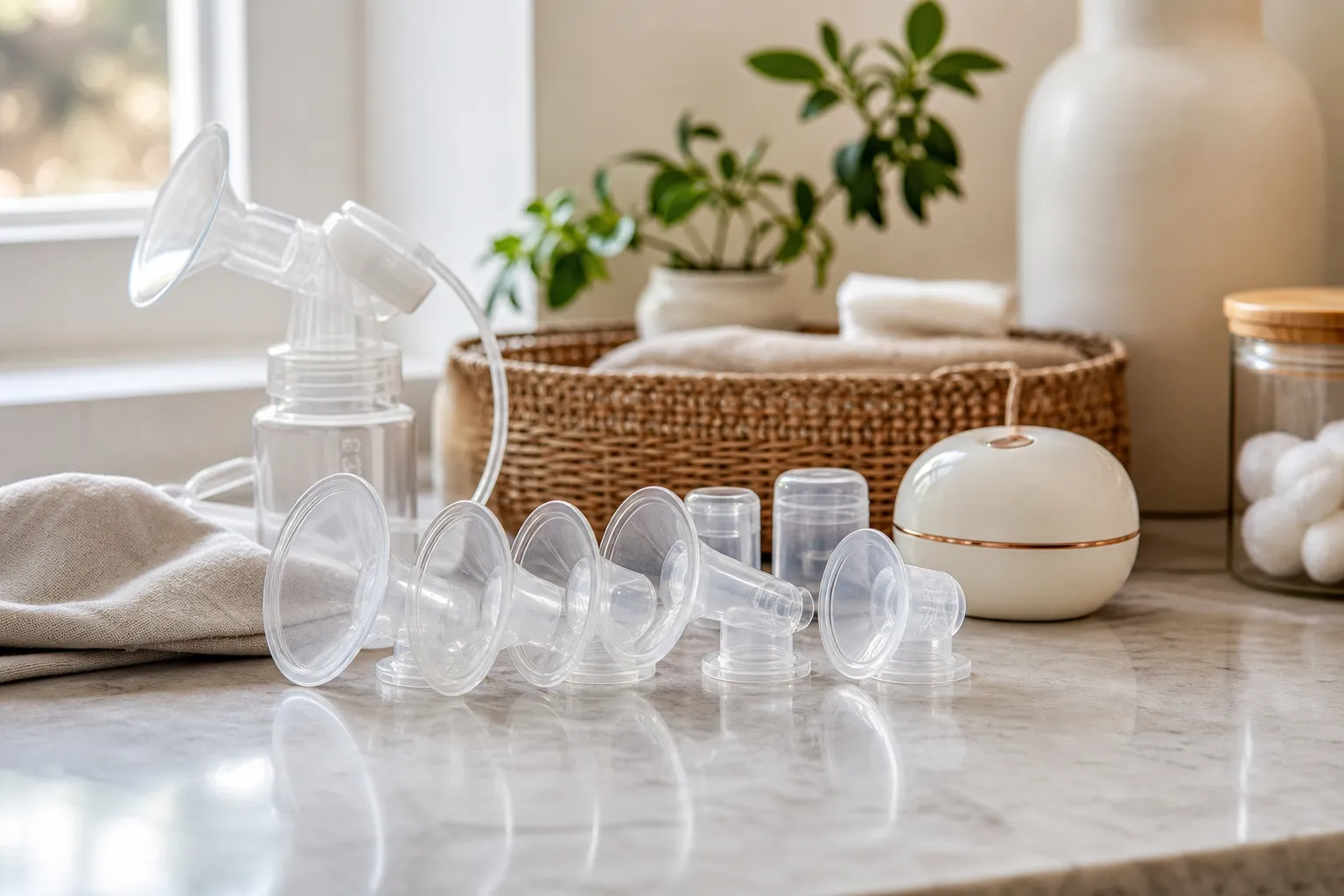
If you have elastic nipples and standard sizing is not working, consider consulting a lactation consultant who can observe a session and give personalized guidance. Silicone inserts are also available for some pump models and can effectively reduce the tunnel diameter without replacing the flange entirely — a useful option if you are between sizes.
When you are ready to think about which pump to pair with your correctly sized flanges, Olivia by Lolafo offers wearable pump options designed with everyday portability in mind, and compatibility with multiple flange sizes is part of what makes a pump practical for real-life use.
Revisit your flange size any time you notice a change in comfort or output. Pumping is not static, and your fit should be treated as something to check periodically rather than set and forget.
FAQ about breast pump flange size guide
Is it better to have a flange too big or too small?
Neither is ideal, but a flange that is slightly too small is often more immediately noticeable because it causes pain. A flange that is too large may reduce output gradually without obvious discomfort, making it easier to miss.
What flange size is most common?
The 24mm size is frequently included as a default and fits a broad range of nipple diameters, but it is not universally correct. Many people need sizes ranging from 19mm to 27mm depending on individual anatomy.
What do nipples look like if the flange is too big?
The nipple may appear swollen or puffy after a session, and you may notice areola tissue has been pulled into the tunnel during pumping. Redness or a ring of irritation around the base of the nipple can also indicate the flange is too large.
What should readers know first about breast pump flange size guide?
Flange size is based on nipple diameter, not breast size or bra size. Measuring your nipple in millimeters and adding 2 to 4mm gives you a reliable starting point for finding the right breast pump flange fit.
How do you choose the right breast pump flange size guide approach?
Measure first, then observe fit during a real session. Use the visual and comfort cues — nipple movement, areola pull-in, pain, and output — to confirm whether the size is working or needs adjustment.
What mistakes should you avoid with breast pump flange size guide?
Avoid assuming the included flange size is correct, ignoring differences between sides, and trying to fix a poor fit by increasing suction. Address fit first, then fine-tune suction settings once the flange is properly sized.
Is breast pump flange size guide worth it for daily use?
Yes. Correct flange fit directly affects comfort and milk output during every session. Taking time to size properly at the start saves significant discomfort and guesswork over weeks or months of pumping.
What should you compare before deciding on breast pump flange size guide?
Compare your measured nipple diameter against available flange sizes, then compare how each size performs during an actual session using fit cues like nipple movement, areola pull-in, and comfort level.
Recommended next steps
The most useful thing you can do after reading this is measure your nipple diameter today if you have not already. It takes less than two minutes and gives you a concrete number to work from rather than guessing based on how a session feels.
From there, use the flange sizing guide to match your measurement to the right size range and see whether your current flange is in the right zone. If it is not, that single change may make a noticeable difference in both comfort and output.
If you are still in the process of choosing a pump, keep breast pump flange fit in mind as a compatibility factor. A pump that supports a range of flange sizes — and that makes it easy to swap them — gives you more flexibility to get the fit right and adjust as your needs change. Getting the fit right is not a one-time task, but once you know what to look for, it becomes a quick and reliable part of your pumping routine.
Meredith spent three years exclusively pumping for two kids while working full-time as a labor and delivery nurse, which means she has strong opinions about flange fit, battery life, and anything that claims to be ‘whisper quiet.’ She now channels that hard-won knowledge into content that cuts through the marketing fluff and gives pumping parents the honest, specific information they actually needed at 2 a.m. Her writing lives at the intersection of clinical accuracy and real-world chaos — because knowing the let-down physiology is only useful if you also know how to clean pump parts with one hand. At Olivia by Lolafo, she covers everything from choosing your first wearable to troubleshooting a stubborn supply dip.